
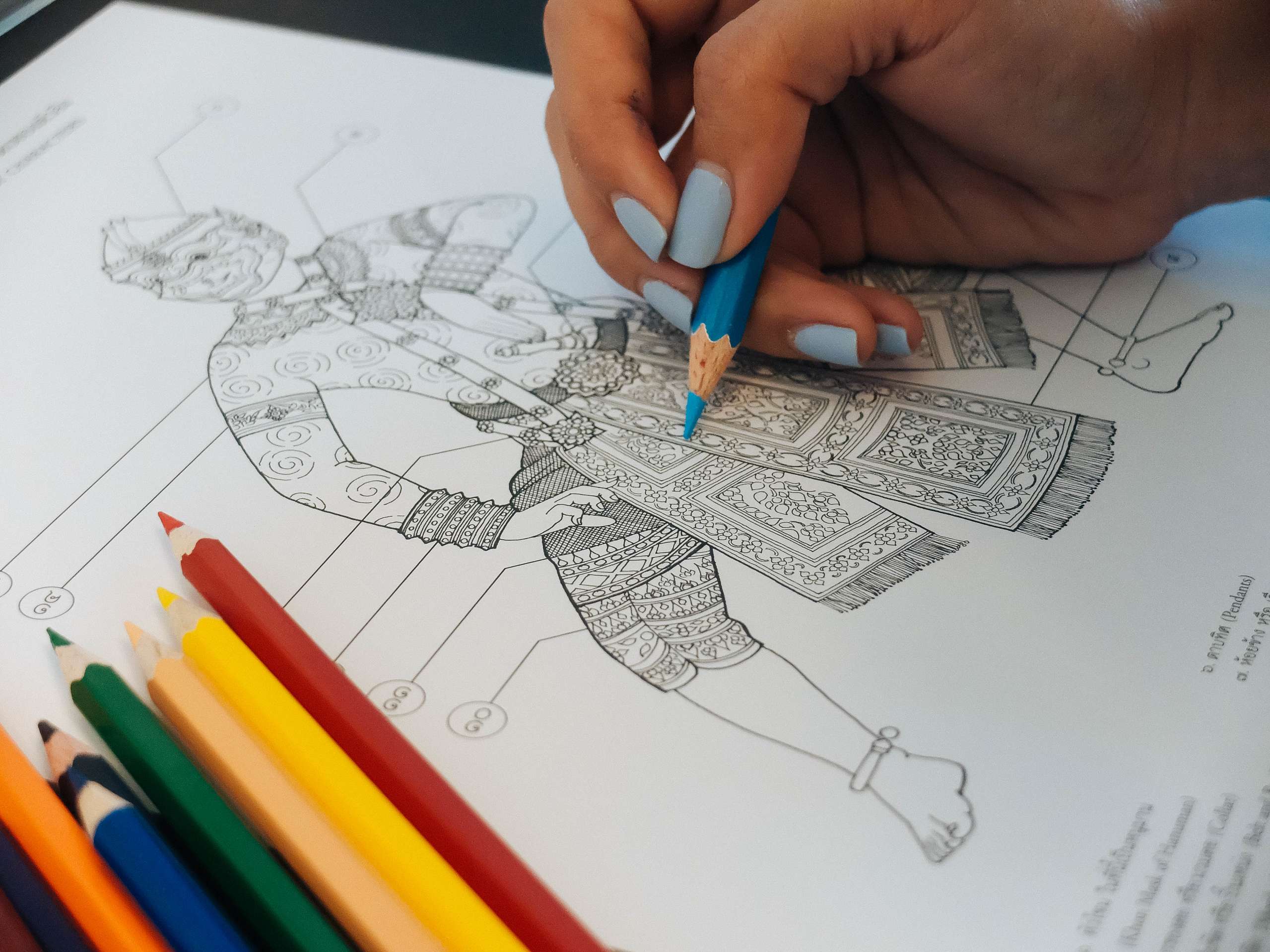
Observation is the basis of all artistic growth, and it’s what everything else rests upon like a house built on a foundation. What you see in accurate service equally with, perchance even more than what you do. The power to perceive fine distinctions in form, proportion and light endows artists with the gift to translate reality into visually interesting images. Seeing is more than just looking, it means to be aware of how the visual elements contrast and balance each other. Having this skill changes how students work on exercises (and non-exercises).
Many beginners will start with simple exercises to help the eye learn how to see basic shapes, lines and angles accurately. These are exercises in concentration, that each gesture reflect what one actually sees. And as students advanced, they graduated to more difficult subjects: still lives and figures in space. With practice, students learn to see depth, perspective and proportions better than before enhancing their drawing skills as a whole. Observation is no longer a means, but becomes a way in which all creative work is perceived.
It is important to comprehend how light and shadow works while practicing observational drawing. They train to observe how light plays on surfaces and creates contrast, volume, texture. Once they understand the way in which Highlights, Midtones and Shadows describe form, they are equipped to convincingly draw objects that they can see. This distinction contributes to technical accuracy and expressive potential, whether expressing mood, time of day or sky conditions. So observation is Linked up with truthful and artistic representation of reality.
Observation also fuels creativity. By teaching the eye to see patterns, relationships, and nuances that are easily passed over, students are empowered to reinterpret what they perceive in unique ways. This awareness carries through to one’s development of composition, story and style choices in order for work not just too ‘be right’ but rather have depth and significance. Artists who develop good powers of observation, typically find new ways to work with their subjects, experiment with viewpoints and interweave in the natural elements to create new visual experiences.
After all this, nothing can be more important than what the eyes have already told you. It is the intermediary between perception and production, between experience and invention. Those who develop their skills of observation create a base that sustains all else, technical precision, expressive nuance and daring experiments. With practice exercises, reflection questions, and mirror experiments already built into the content of the comprehensive second and third textbooks, students develop techniques to see from a point of view similar to their own with clarity and perspective, that are also imaginative; How-to-Draw’s step-by-step formula allows children to master topics such as facial expressions in the context of stories they’ve created.