
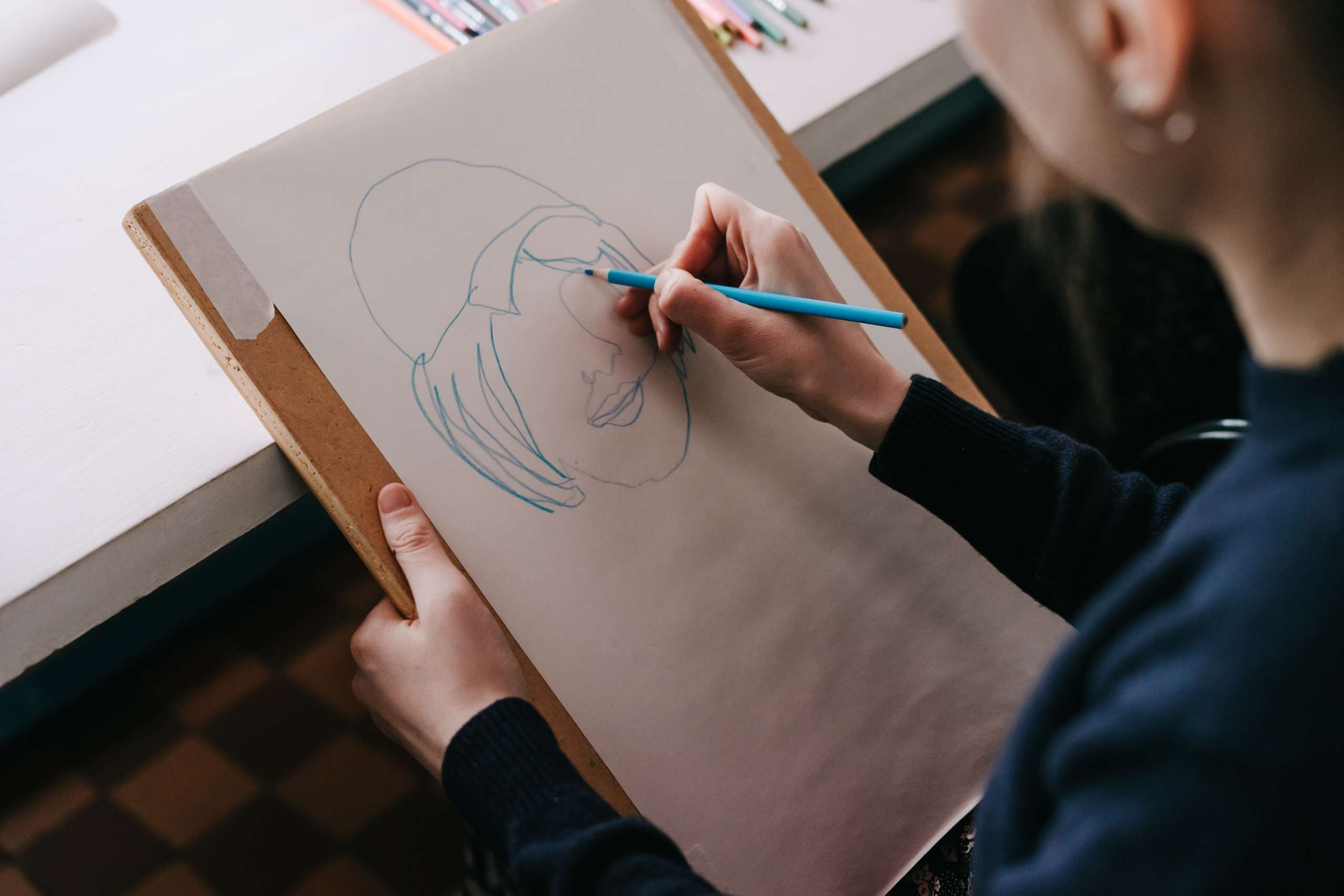
We tend to think of creativity as this kind of uncontrolled, enigmatic gift. But it grows best in a labored and prized garden, with attention clashing the logic against the imagination. For academic drawing, it’s a structured way of striking a balance between discipline and open investigation. Through structured projects, inspirational lessons, and self-critique, you’ll develop foundational skills that in turn help generate ideas and solve visual problems through experience as opposed to intuition. “You don’t just freehand draw something and hope it looks like that, it has to be designed in order for the creativity or spontaneous can emerge.
This process starts with basic exercises aimed at enhancing observation and technical control. In their quest for a richer and more realistic way to render what they see, students experiment with shapes, composition, perspective and tonal studies. These exercises can feel methodical, but they provide a jumping off-point for creative thinking. As students become more proficient in mastering the basics, they are encouraged to take their newfound skills and use them in creative exercises that stretch understanding of composition, lighting and rendering. The dynamic of form and freedom creates a mindset whereby technical skill and artistic expression can coexist, supporting confidence and originality.
Reflective practice is a key element of creativity. As part of the process, students are challenged to appraise their work constructively and reflect on areas that need development, as well as components of their design decisions they have got right. This promotes the ideating and iterative thinking, a vital building block of creativity. By considering, students see how technical choices effect what is seen on the page, so that they can be intentional rather than lucky. The practice of scrutinizing one’s work serves not only to refine technique, but also to deepen the experience and understanding of the integrated co-creative exchange.
Collaboration and feedback is another important tool to stimulate creative growth in this kind of formal educational setting. Interacting with our peers-Teachers exposes students to the myriad perspectives, techniques and interpretations which expand the art making possibilities. Critical critique calls assumptions into question, encourages tinkering, or asks others to look anew at familiar material. This ebb and flow of sharing energy creates a healthy environment where creativity is affirmed, experimentation is embraced as positive progress; our state of ‘becoming’ continues.
In the long run, structured instruction enables students to manage their own creativity. Technical mastery rooted in space for experimentation becomes a launch pad from which training carries practitioners’ precision, as much as imagination. The technique promotes ideas that are not constrained by the technical aspects, therefore students express themselves freely and play with their creativity. Eventually, the hard-earned abilities and work habits learned in formal exercises become native to artists, who then confront fresh snow with the same confidence and inventiveness they apply to their personal style.